
Introduction
A small tablet can sometimes play a surprisingly big role in a daily wellness routine. From helping meet nutritional requirements to supporting energy, immunity, bones, skin, and general wellbeing, nutraceutical products are becoming a popular choice for convenient nutritional support. Understanding nutraceutical tablet uses is important because every formulation contains a different combination of nutrients and active ingredients.People often search for nutraceutical tablet uses when they want to understand what these products contain, why they are taken, and whether a particular formulation suits their nutritional needs. But with so many options available, choosing a product simply because it has a long ingredient list may not be the best approach.In this guide, we will explain nutraceutical tablet uses, different formulations, important ingredients, dosage considerations, and practical safety tips. We will also explore a to z nutraceutical tablets uses so readers can better understand how different formulations may support everyday nutritional needs.
What Are Nutraceutical Tablets and Why Are They Used?
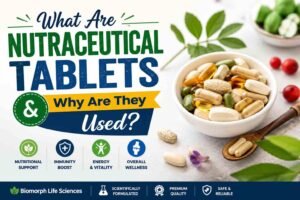
Nutraceutical tablets are products formulated with nutritional or naturally derived ingredients such as vitamins, minerals, antioxidants, amino acids, fatty acids, and botanical compounds. They are generally used to complement dietary intake and support overall wellness. Understanding nutraceutical tablet uses starts with knowing what a particular product contains and what it is designed to provide.
Unlike prescription medicines, nutraceutical products are generally intended for nutritional support rather than diagnosing or treating a medical condition. The actual nutraceutical tablet uses depend on the formulation, ingredients, concentration, and recommended serving size.
A person may choose a nutraceutical product because their diet does not consistently provide certain nutrients or because they have specific nutritional requirements. However, supplementation should be considered alongside a balanced diet rather than as a replacement for nutritious foods.
Why Do People Choose Nutraceutical Tablets?
The common nutraceutical tablet uses may include:
- Supporting normal energy metabolism
- Complementing daily vitamin and mineral intake
- Supporting normal immune function
- Helping maintain healthy bones and muscles
- Providing antioxidant nutrients
- Supporting general nutritional wellbeing
The a to z nutraceutical tablets uses can vary significantly because no two formulations are necessarily identical. A multivitamin tablet may provide several essential nutrients, while an omega-3 formulation may focus on specific fatty acids.
Therefore, understanding nutraceutical tablet uses requires looking beyond the product name. Consumers should check the ingredient list, serving size, nutritional quantities, manufacturer information, and recommended usage before selecting a supplement.
The a to z nutraceutical tablets uses also demonstrate why choosing a product based solely on popularity may not be appropriate. Nutritional requirements differ from person to person, so the formulation should match the intended purpose.
Nutraceutical Tablet Uses for Everyday Health Support
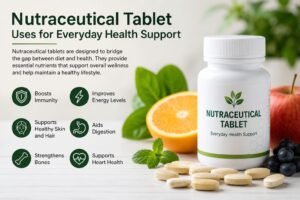
Modern lifestyles can sometimes make consistent nutritional intake challenging. Busy schedules, restricted diets, limited food choices, and changing nutritional requirements may influence the decision to use supplements. This is where understanding nutraceutical tablet uses can help consumers make more informed choices.
The benefits associated with nutraceutical tablet uses depend heavily on the ingredients present in each formulation. A product containing vitamins and minerals will have a different nutritional profile from one containing omega-3 fatty acids, amino acids, or botanical extracts.
Supporting Nutritional Gaps
One of the common nutraceutical tablet uses is complementing dietary intake. A varied diet should provide most essential nutrients, but some individuals may have difficulty meeting particular nutritional requirements through food alone.
Multivitamin and mineral formulations may contain nutrients such as vitamin B12, vitamin C, vitamin D, calcium, zinc, magnesium, or iron. The suitability of such products depends on dietary intake and individual requirements.
The a to z nutraceutical tablets uses can therefore include different approaches to nutritional supplementation. Instead of choosing a product randomly, consumers should identify what type of nutritional support they are actually looking for.
Helping Maintain Energy and Vitality
Certain nutrients are involved in normal energy metabolism. B vitamins, iron, magnesium, and other nutrients may contribute to normal energy-related functions when adequate intake is maintained.
This is another area where nutraceutical tablet uses can vary. A formulation containing nutrients associated with energy metabolism may serve a different nutritional purpose from a product designed around antioxidants or fatty acids.
However, ongoing tiredness should not automatically be attributed to nutritional deficiency. Persistent or unexplained fatigue may have many possible causes and should be discussed with a qualified healthcare professional.
Supporting Immunity and General Wellness
Vitamin C, vitamin D, zinc, and selected antioxidant ingredients are commonly found in wellness-oriented nutraceutical formulations. These nutrients contribute to normal physiological functions, including normal immune system activity.
When considering nutraceutical tablet uses, it is important to understand that supplements are intended to complement healthy habits. Adequate sleep, nutritious food, physical activity, and good lifestyle practices remain important parts of overall wellness.
Promoting Bone and Muscle Health
Calcium, vitamin D, magnesium, and certain other nutrients contribute to normal bone and muscle functions. Products containing these nutrients may be considered when dietary intake does not adequately meet nutritional requirements.
The a to z nutraceutical tablets uses may therefore include formulations designed around different nutritional areas. The correct product depends on its ingredient profile rather than simply the number of nutrients listed on the package.
Supporting Skin, Hair, and Healthy Aging
Some nutraceutical products contain biotin, vitamins, minerals, antioxidants, or botanical ingredients commonly associated with skin and hair nutrition. These formulations may be used as part of a broader nutritional routine.
Among the various nutraceutical tablet uses, beauty and wellness formulations have gained attention because consumers often look for convenient ways to complement their dietary intake.
Still, results should not be expected instantly. Nutritional support works best when combined with a balanced diet and healthy lifestyle.
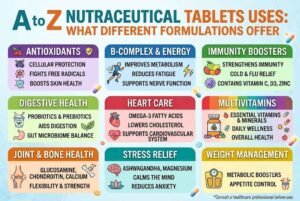
A to Z Nutraceutical Tablets Uses: What Different Formulations Offer
Different nutraceutical formulations can contain very different ingredients. This is why understanding the a to z nutraceutical tablets uses can help consumers compare products more carefully.
The phrase a to z nutraceutical tablets uses broadly covers the different nutritional purposes associated with various formulations. From vitamins and minerals to fatty acids and plant-based compounds, the intended use depends on the ingredients and their quantities.
Vitamins and Minerals
Multivitamin and mineral tablets are among the most widely recognized nutraceutical formulations. They may contain vitamin B12, vitamin C, vitamin D, calcium, zinc, magnesium, iron, and other nutrients.
One of the important nutraceutical tablet uses of these formulations is to complement dietary nutrient intake. However, more nutrients do not automatically make a product better. The amounts provided should also be considered.
Antioxidant-Based Formulations
Antioxidant-focused products may contain vitamin C, vitamin E, selenium, or selected plant compounds. Antioxidants participate in the body’s normal protective processes against oxidative stress.
When exploring a to z nutraceutical tablets uses, antioxidant formulations represent one category among many. Their composition and intended nutritional purpose should always be checked on the label.
Omega-3 and Essential Fatty Acids
Omega-3 products may provide fatty acids such as EPA and DHA. They are commonly included in nutritional routines where dietary sources of omega-3 fatty acids may be limited.
The specific nutraceutical tablet uses of an omega-based formulation depend on its composition, dosage, and nutritional purpose. Consumers should check the exact amount of active ingredients rather than relying only on general product claims.
Protein and Amino Acid Supplements
Some nutraceutical formulations contain amino acids or protein-related nutrients. They may be used to complement dietary intake, particularly when nutritional requirements are increased.
However, whole-food protein sources remain an important part of a balanced diet. The a to z nutraceutical tablets uses should therefore be viewed
as nutritional support ra
ther than a substitute for healthy food choices.
Herbal and Plant-Based Nutraceuticals
Botanical extracts and plant-derived ingredients are also used in many nutraceutical products. Their inclusion can give formulations a different nutritional or traditional wellness focus.
It is important to remember that natural ingredients are not automatically suitable for everyone. When considering nutraceutical tablet uses, consumers should review the full ingredient profile and check for relevant warnings.
Overall, the a to z nutraceutical tablets uses vary according to the formulation. Reading the label carefully is one of the simplest ways to understand what a product is intended to provide.
How to Understand the Ingredients Behind Nutraceutical Benefits
A product’s front label often highlights its main selling points, but the ingredient panel provides much more useful information. Anyone researching nutraceutical tablet uses should learn how to read this section before choosing a product.
Understanding the ingredients can also make the a to z nutraceutical tablets uses easier to compare. Different products may appear similar while providing very different quantities or combinations of nutrients.
Reading the Ingredient Label
Start by checking the complete list of ingredients and the amount supplied per serving. Look for vitamins, minerals, botanical extracts, amino acids, fatty acids, and other active nutritional compounds.
The label should also provide serving instructions, expiry information, storage details, and relevant warnings. These details can help consumers understand appropriate nutraceutical tablet uses and avoid unnecessary supplementation.
Understanding Vitamins, Minerals, Botanicals, and Other Nutrients
Vitamins and minerals are commonly included to complement dietary intake. Calcium and vitamin D, for example, are associated with normal bone maintenance, while B vitamins contribute to normal energy metabolism.
Botanical ingredients may have different traditional or nutritional purposes depending on the plant and extract. This is why the a to z nutraceutical tablets uses can differ considerably between products.
A product containing iron will have a different nutritional profile from one containing omega-3 fatty acids. Similarly, an antioxidant formulation may be quite different from a multivitamin.
Why Dosage and Ingredient Combinations Matter
The quantity of an ingredient matters just as much as its presence. Taking multiple supplements can sometimes result in overlapping nutrients.
For this reason, understanding nutraceutical tablet uses should involve more than reading the product name. Always consider the recommended serving and the amount of each active ingredient.The a to z nutraceutical tabletsuses are easier to understand when each ingredient is examined individually and then considered as part of the complete formulation.More ingredients do not necessarily mean better nutritional support. A simple formulation may be more suitable than a complex product when it matches a person’s actual nutritional requirements.
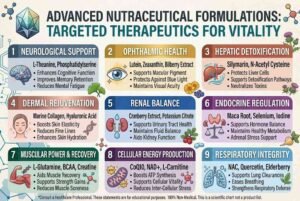
When evaluating nutraceutical tablet uses, avoid selecting products solely because they contain numerous ingredients. Instead, focus on nutritional relevance, formulation quality, recommended usage, and individual requirements.
If you regularly take prescription or over-the-counter medicines, have specific health concerns, or are uncertain about an ingredient, discussing the product with a qualified healthcare professional is advisable.
Conclusion
Understanding nutraceutical tablet uses can make supplement selection more informed and practical. Different tablets may contain vitamins, minerals, antioxidants, fatty acids, amino acids, or botanical ingredients, and each formulation can have a different nutritional purpose.
The a to z nutraceutical tablets uses depend mainly on the ingredients, formulation, and recommended serving. Therefore, consumers should always read the label carefully and understand what they are taking.
The right nutraceutical tablet uses should complement a balanced diet and healthy lifestyle rather than replace nutritious food or professional medical care. If you take regular medicines or have specific health concerns, professional guidance can help you choose an appropriate supplement.
Frequently Asked Questions
Q. What are nutraceutical tablets used for?
Nutraceutical tablets are generally used to complement dietary intake with vitamins, minerals, antioxidants, fatty acids, amino acids, or other nutritional ingredients. The specific nutraceutical tablet uses depend on the formulation.
Q. What are the common nutraceutical tablet uses?
Common nutraceutical tablet uses include supporting nutritional intake, normal energy metabolism, bone and muscle health, immune function, skin and hair nutrition, and general wellness.
Q. What does a to z nutraceutical tablets uses mean?
The phrase a to z nutraceutical tablets uses broadly refers to the different nutritional purposes and formulations available in the nutraceutical category. Since ingredients differ, their intended uses can also differ.
Q. Can nutraceutical tablets be taken every day?
Some products are designed for regular use when taken according to their recommended serving instructions. However, daily use is not appropriate for every product or individual. Understanding nutraceutical tablet uses and following the product label is important.
Q. Are nutraceutical tablets a replacement for a healthy diet?
No. Nutraceutical tablets should complement a balanced diet rather than replace nutritious foods. The a to z nutraceutical tablets uses should be considered within an overall healthy lifestyle