
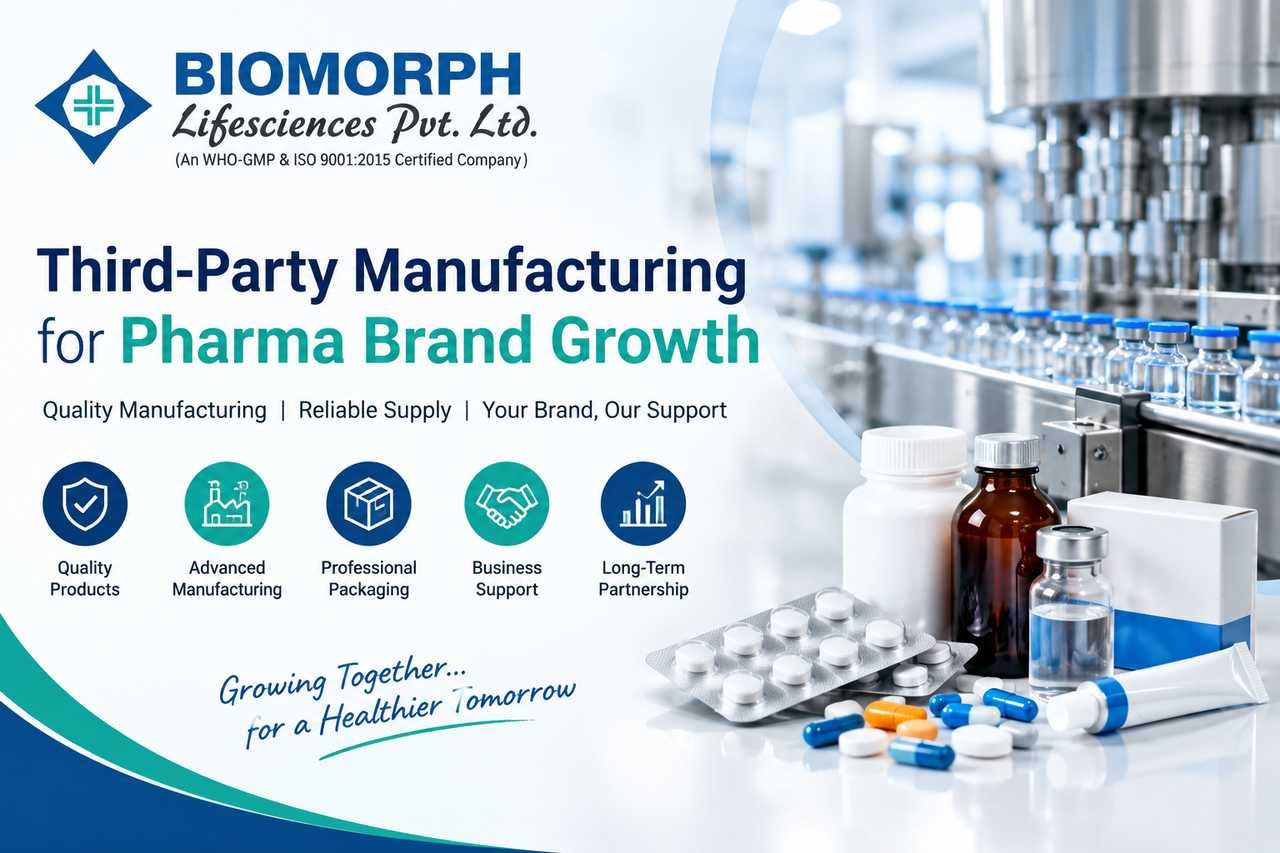
The pharmaceutical industry offers growing opportunities for businesses looking to build their own medicine brands and expand their product portfolios. Third-party manufacturing provides a practical way for pharma companies to get medicines produced through an external manufacturing partner instead of establishing their own production facilities. This model helps businesses reduce the burden of managing manufacturing infrastructure while focusing more on product marketing, distribution and customer relationships. From selecting suitable formulations to finalizing packaging and production requirements, working with the right manufacturing partner can make the process more organized. For new pharma businesses as well as established brands, third-party manufacturing can support product expansion and create opportunities for long-term business growth.
What Is Third-Party Manufacturing in the Pharma Industry?
Third-party manufacturing is a business arrangement in which a pharmaceutical company gets its medicines produced by an external manufacturing unit instead of operating its own production facility. In this model, the company planning to sell pharmaceutical products works with a manufacturing partner that handles production according to mutually agreed specifications. This approach allows businesses to develop their product range without managing every stage of medicine production themselves. Third-party manufacturing is particularly useful for pharma companies that want to concentrate on brand development, sales and distribution while working with an established production partner.
How Does It Work?
The process generally begins when a pharma company selects the products it wants to manufacture. The manufacturer then discusses formulation requirements, packaging, order quantities, pricing, and production timelines. Once the specifications are finalized, production moves forward under the agreed quality standards.
A typical arrangement may involve:
- Product and formulation selection
- Packaging and labeling requirements
- Order quantity and pricing discussion
- Manufacturing and quality testing
- Final packing and product dispatch
Key Responsibilities in Third-Party Manufacturing
- Pharmaceutical Company: Product selection, branding, packaging requirements, order planning and applicable regulatory responsibilities.
- Manufacturing Partner: Agreed production, quality control, manufacturing documentation and dispatch coordination.
- Both Parties: Clear specifications, approved artwork, commercial agreements and communication throughout the order process.
Why Pharma Brands Are Choosing Third-Party Manufacturing
Growing a pharma brand involves much more than selling medicines. Companies also need dependable production, quality control, suitable packaging, inventory planning, and timely supply. Managing all these activities independently can become difficult, particularly when a business is expanding its product range. This is why third-party manufacturing has become a practical option for many pharma businesses.
Instead of setting up and maintaining their own production infrastructure, companies can partner with an experienced manufacturer. This arrangement allows them to access established manufacturing capabilities while keeping their internal focus on business development and market growth.
BIOMORPH LIFESCIENCES | PHARMA MANUFACTURING
Searching for a Trusted Third-Party Pharma Manufacturing Partner in India?
Looking to expand your pharmaceutical business with a dependable manufacturing partner? Biomorph Lifesciences offers third-party manufacturing opportunities across various pharmaceutical categories, including tablets, capsules, syrups, injections, ointments and nutraceutical products.
Discuss your product requirements, batch quantities, packaging preferences and commercial expectations with our team. Explore suitable manufacturing options to develop and expand your pharmaceutical product portfolio.
YOUR PRODUCT REQUIREMENTS. OUR MANUFACTURING SUPPORT.
Lower Manufacturing Investment
Setting up a pharmaceutical manufacturing facility requires substantial investment in machinery, infrastructure, technical staff, maintenance, and quality systems. Working with an external manufacturing partner can reduce the need for such a large initial setup.
Businesses can therefore allocate more resources toward areas such as:
- Sales and distribution
- Product promotion
- Market development
- Customer relationships
- Expanding their product portfolio
Flexible Production for Growing Brands
Market demand does not always remain consistent. A company may need additional products during expansion or adjust its portfolio according to changing customer requirements. A suitable manufacturing partner can provide greater production flexibility without requiring the brand to expand its own facility every time its needs change.
This can make third-party manufacturing particularly useful for businesses that are still developing their market presence.
More Focus on Sales and Distribution
Manufacturing can be time-consuming when every production activity has to be managed internally. Outsourcing this responsibility allows pharma companies to concentrate on reaching distributors, strengthening sales channels, and developing their brand.
For businesses seeking third party manufacturing pharma support, the right partnership can create a clearer division of responsibilities: the manufacturer focuses on production and quality, while the pharma brand concentrates on building demand and serving its market.
Ultimately, the value of this model depends on choosing a manufacturer that can consistently meet quality, packaging, production, and delivery expectations.
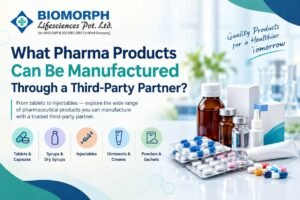
What Pharma Products Can Be Manufactured Through a Third-Party Partner?
Pharmaceutical businesses can choose from different product categories when working with an external manufacturing company. The available range depends on the manufacturer’s facilities, technical capabilities, licenses and product approvals. Through Third-party manufacturing, companies can explore multiple dosage forms without setting up separate production units for every product category. However, product selection should be based on market demand, manufacturing suitability and applicable regulatory requirements.
Tablets and Capsules
Tablets and capsules are widely used across different therapeutic categories and can form an important part of a pharma portfolio. Depending on the manufacturing facility, companies may select products in areas such as general medicines, nutritional support, pain management, gastrointestinal care, or other therapeutic segments.
A suitable manufacturer can help with formulation specifications, production, quality testing, and packaging according to the agreed requirements.
Syrups and Dry Syrups
Liquid formulations can be useful when a pharma company wants to diversify beyond solid dosage forms. Syrups are available across several therapeutic categories, while dry syrups can be particularly relevant for products requiring reconstitution before use.
When selecting these products, businesses should pay attention to formulation stability, packaging suitability, labeling, and storage requirements. These details can influence both product quality and customer experience.
Injectables
Injectable products require specialized manufacturing infrastructure and strict quality controls. Businesses considering this category should verify whether the manufacturing partner has appropriate facilities, technical capabilities, testing procedures, and documentation.
For companies seeking third party manufacturing pharma services, confirming these capabilities before placing an order can prevent production-related complications later.
Before finalizing any category, request details about the manufacturer’s actual production capabilities, available dosage forms, documentation, packaging materials and quality procedures. Third-party manufacturing can help businesses develop a broader product range, while third party manufacturing pharma partnerships should always be based on verified capabilities and clearly agreed requirements.
Mistakes to Avoid When Choosing a Manufacturing Partner
Choosing the right manufacturing partner is an important decision for any pharmaceutical business. A suitable partner should understand product requirements, maintain appropriate quality systems, follow agreed production timelines, and provide clear communication throughout the manufacturing process.
Before signing an agreement, take time to evaluate the manufacturer beyond pricing. A reliable partner should be able to understand your product requirements, maintain consistent standards, communicate clearly, and support production according to your planned business volume.
Choosing Only on the Basis of Price
A lower quotation may look attractive, but it should never be the only deciding factor. Extremely low costs can sometimes come with compromises in packaging, service, production flexibility, or other important areas.
Compare pricing alongside product specifications, quality systems, order quantities, packaging, and delivery commitments. This gives you a more realistic picture of the overall value.
Ignoring Quality Documentation
Pharmaceutical products require careful quality management. Before placing an order, ask about relevant manufacturing certifications, testing procedures, quality checks, and documentation.
For businesses exploring third party manufacturing pharma options, verifying these details early can help reduce quality-related risks and create greater confidence in the partnership.
Overlooking Minimum Order Requirements
Every business has different sales volumes. A manufacturer with a very high minimum order may not be suitable for a new or growing brand. Ordering more products than your market can absorb may also tie up working capital unnecessarily.
Discuss minimum quantities before finalizing your product range and check whether the manufacturer can accommodate your expected demand.
Not Checking Production Timelines
A product may be excellent, but late delivery can disrupt distributor relationships and market availability. Clarify expected production schedules, dispatch procedures, and communication practices before confirming an order.
Failing to Discuss Product Specifications
Small details can create major problems if they are not confirmed in advance. Discuss formulations, pack sizes, labeling, artwork, packaging materials, and other product requirements clearly.
A dependable third-party manufacturing partner should provide clarity at every stage rather than leaving important details uncertain.
Finally, choosing third party manufacturing pharma support should be viewed as a long-term business decision, not simply a one-time purchase. A careful evaluation can help you build a partnership that supports consistent supply and sustainable brand growth.
Checklist Before Selecting a Pharma Manufacturing Partner
- Verify manufacturing licenses and relevant documentation.
- Check product specifications and quality procedures.
- Discuss minimum order quantities.
- Confirm packaging and labeling requirements.
- Understand production and delivery timelines.
- Review commercial terms before placing an order.
Third-Party Manufacturing vs In-House Pharma Manufacturing
| Comparison | Third-Party Manufacturing | In-House Manufacturing |
|---|---|---|
| Infrastructure | Uses an external manufacturer’s facility | Requires the company’s own manufacturing facility |
| Initial Investment | Generally requires lower investment in manufacturing infrastructure | Requires investment in land or premises, machinery and setup |
| Production | Manufacturing partner handles the agreed production activities | Company manages its own production operations |
| Quality Management | Manufacturer’s quality systems and documentation must be verified | Company establishes and manages its own quality systems |
| Business Focus | Allows greater focus on sales, marketing and distribution | Requires management of both production and business operations |
The choice between these two models depends on a company’s investment capacity, product requirements and long-term business plans. Third-party manufacturing may suit businesses that want to launch or expand a product range without establishing their own production facility. In-house manufacturing may be more appropriate for companies that want direct control over production operations and are prepared to manage the required infrastructure, staff and compliance responsibilities. Both models require proper quality management and regulatory compliance.
Why Choose Biomorph Lifesciences for Third-Party Manufacturing?
Choosing the right manufacturing partner can directly influence how smoothly a pharma brand manages its product supply and future expansion. Third-party manufacturing works best when the manufacturer can combine dependable production with consistent quality, suitable packaging, and clear business communication. Biomorph Lifesciences aims to provide this support to businesses looking for a practical manufacturing partnership.

Wide Range of Pharmaceutical Products
A diverse product portfolio gives pharma businesses more flexibility when developing their brands. Biomorph Lifesciences supports manufacturing requirements across different dosage forms, helping businesses select products according to their market, customers, and business objectives.
Whether a company is strengthening an existing portfolio or planning new product additions, having access to multiple pharmaceutical categories can make product planning more convenient.
Quality-Focused Manufacturing
Product quality is one of the first factors business should consider before choosing a manufacturer. Biomorph Lifesciences focuses on maintaining defined production and quality processes throughout manufacturing. Proper attention to formulation, testing, packaging, and product specifications can help businesses maintain consistency across their product range.
For companies exploring third party manufacturing pharma opportunities, working with a quality-conscious manufacturer can provide greater confidence when planning regular product supplies.
Professional Product Packaging
Packaging is more than simply protecting a medicine. It also represents the identity of a pharma brand in the market. Product specifications, labeling, pack sizes, and presentation should therefore be discussed clearly before production begins.
Biomorph Lifesciences can work with businesses on their manufacturing requirements so the finished products align with the agreed specifications.
Support for Growing Pharma Businesses
A growing company may need flexibility as its product requirements change. Third-party manufacturing can help businesses expand their range without taking on the responsibility of establishing their own production infrastructure.
Biomorph Lifesciences works with businesses seeking dependable manufacturing support while they focus on sales, distribution, and market development.
A Reliable Manufacturing Partnership
The right manufacturer should be viewed as a long-term business partner rather than simply a production vendor. For businesses considering third party manufacturing pharma, factors such as product quality, communication, production capability, packaging, and delivery should all be evaluated.
With a business-focused approach and emphasis on manufacturing requirements, Biomorph Lifesciences can be considered by pharma companies looking for a dependable partner for continued product development and supply.
Conclusion
Choosing the right manufacturing partner can make pharma business expansion more manageable and organized. Third-party manufacturing allows brands to access established production capabilities while concentrating on sales, distribution, and market development. However, quality, product range, packaging, production capacity, and delivery reliability should always be considered before making a decision. For businesses looking for dependable third party manufacturing pharma support, Biomorph Lifesciences can be a valuable manufacturing partner. With its focus on pharmaceutical products and business-oriented manufacturing support, Biomorph Lifesciences can help brands plan their product portfolio and maintain a consistent supply as they work toward long-term growth.
Frequently Asked Questions
Q. What is third-party manufacturing in pharma?
Third-party manufacturing is an arrangement where a pharma company gets its products manufactured by an external pharmaceutical manufacturer instead of producing them in its own facility.
Q. What products can be made through third-party manufacturing?
Depending on the manufacturer’s capabilities, businesses can manufacture tablets, capsules, syrups, dry syrups, injections, creams, powders, and other pharmaceutical formulations.
Q. How does third party manufacturing pharma benefit growing businesses?
It can help businesses access established manufacturing facilities without investing in their own complete production setup, allowing them to focus more on sales and market expansion.
Q. Can new pharmaceutical companies use third-party manufacturing?
Yes. New pharmaceutical businesses can explore this model, subject to applicable licensing, regulatory and commercial requirements.
Q. Why consider Biomorph Lifesciences for pharma manufacturing?
Biomorph Lifesciences offers pharmaceutical manufacturing support for businesses seeking to develop and expand their product portfolios through a dependable manufacturing partnership.
Instagram : Follow Us For The Latest Update
YOUR PHARMA BUSINESS PARTNER
Planning to Launch Your Own Pharmaceutical Product Range?
Take your pharmaceutical business forward with third-party manufacturing support from Biomorph Lifesciences. Whether you are a pharma distributor, established company, healthcare entrepreneur or growing pharmaceutical brand, explore manufacturing possibilities that align with your business goals.
Connect with our team to discuss formulation options, product selection, packaging specifications, branding requirements and order quantities. Find out how our manufacturing services can support your next business expansion.
BUILD YOUR PRODUCT RANGE. STRENGTHEN YOUR PHARMA BUSINESS.