
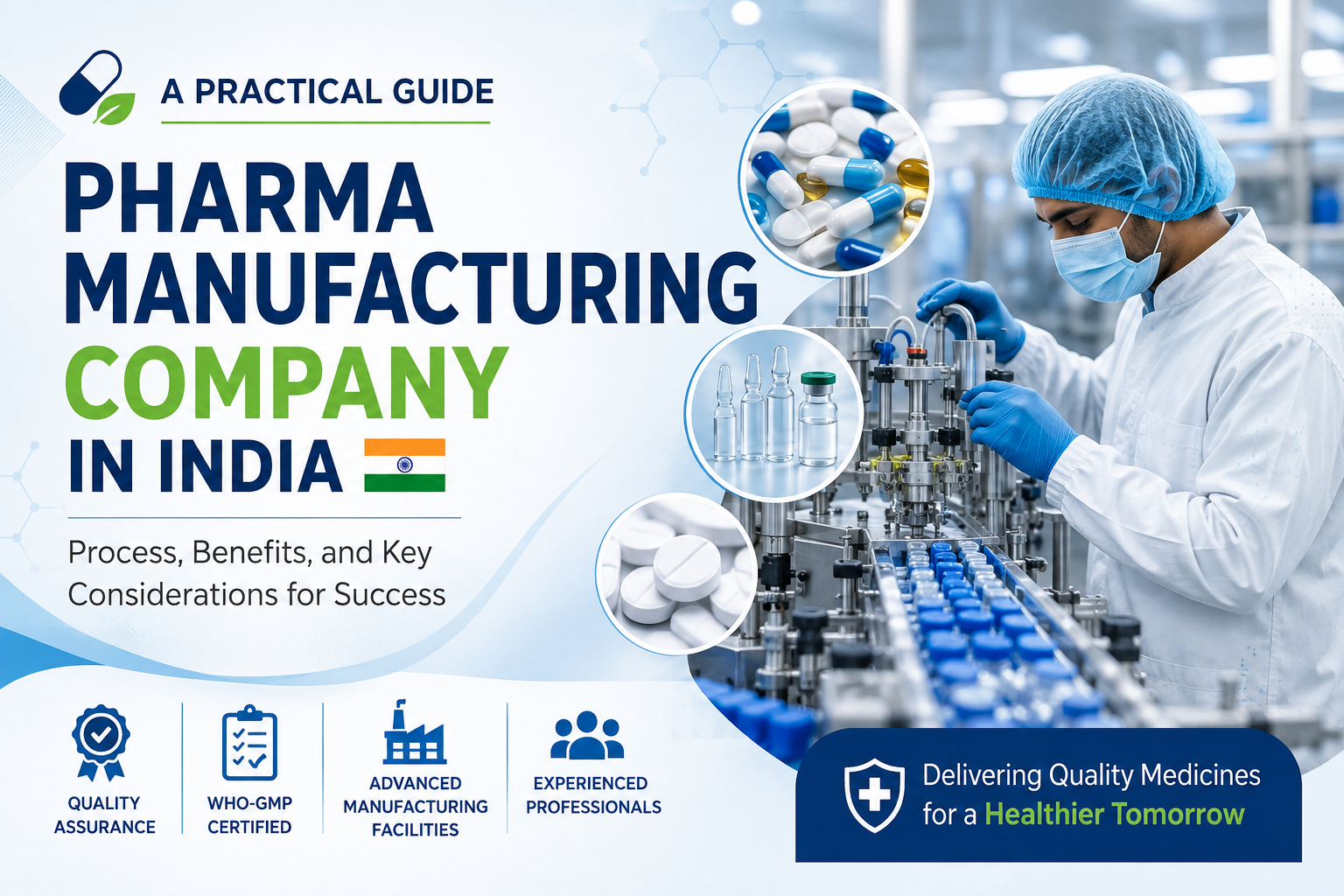
A strong pharma brand needs more than a good product idea; it needs the right manufacturing support behind it. From choosing suitable formulations to maintaining consistent quality and timely production, every manufacturing decision can shape how a brand grows in the market. This is where a reliable pharma manufacturing company in India can make a practical difference. The right partner can help businesses develop a wider product portfolio, manage production requirements, and build a smoother supply process without taking on the entire manufacturing burden themselves. But with many options available, finding a suitable manufacturer requires careful consideration. Let’s explore the key factors pharma brands should know before choosing their manufacturing partner.
What to Look for in Pharma Manufacturing Company
Choosing a pharma manufacturing company in India is an important decision for any brand planning to build a dependable product portfolio. A manufacturer should offer more than production facilities; it should provide consistent quality, clear communication, and reliable support throughout the manufacturing process. Before finalizing a partner, examine its capabilities, product range, documentation, and ability to meet your expected order volumes.
Manufacturing Facilities and Capabilities
Check whether its facilities support the dosage forms your brand requires, such as tablets, capsules, syrups, dry syrups, or injections. A broader manufacturing setup can make it easier to expand your portfolio later without searching for a different supplier.
Quality Control and Product Standards
Quality should remain a priority at every stage, from raw materials to finished products. Ask about quality-checking procedures, batch documentation, testing practices, and manufacturing standards. Clear records and consistent processes can help a brand maintain confidence in its products and reduce avoidable supply issues.
Production Capacity and Timely Supply
A manufacturer may offer excellent products, but delayed production can create problems for your business. Discuss expected production schedules, minimum order requirements, and delivery timelines before placing an order. The manufacturer should also have sufficient capacity to handle increasing requirements as your business develops.
Packaging and Labeling Support
Packaging is another practical area worth reviewing. Check whether the manufacturer can support suitable packaging formats, labeling requirements, and product presentation according to your brand’s needs. Good coordination in this area can help maintain consistency across multiple products.
While evaluating different medicine companies in India, avoid focusing only on price. Compare manufacturing capabilities, quality processes, communication, flexibility, and long-term support. The same approach is useful when studying established major pharma companies in India or evaluating manufacturers that serve large pharma companies in India.
Types of Medicines Manufactured for Pharma Brands
A reliable pharma manufacturing company in India can support brands with a wide range of formulations, allowing them to build a diverse and market-ready product portfolio. The right product mix depends on therapeutic requirements, customer demand, dosage preferences, and the business goals of the brand. Understanding different medicine formats helps companies plan their portfolio more effectively.

Tablets and Capsules
Manufacturers should be able to maintain consistency in composition, production, packaging, and batch quality. Tablets and capsules remain widely used because they are convenient, easy to store, and suitable for many therapeutic categories. Pharma brands can explore different strengths and formulations based on their target market.
Syrups and Dry Syrups
Liquid formulations are useful for patients who may find solid dosage forms difficult to consume. Syrups are commonly developed for different therapeutic needs, while dry syrups are designed to be reconstituted before use. Proper packaging and clear labeling are particularly important for these products to support safe handling and storage.
Injections and Other Formulations
Injections require specialized manufacturing processes, controlled production environments, and strict quality checks. Depending on the manufacturer’s capabilities, pharma brands may also source products such as ointments, creams, gels, powders, and other dosage forms. Having access to multiple formulations can make portfolio expansion more convenient.
When evaluating medicine companies in India, brands should look beyond the number of products offered. Consider manufacturing capabilities, quality procedures, packaging options, documentation, and production capacity. Established major pharma companies in India may have broader portfolios, while large pharma companies in India often require manufacturers capable of handling higher and more consistent production volumes. A suitable manufacturing partner should align its product capabilities with the brand’s present requirements and future expansion plans.
How to Choose the Right Manufacturing Partner
Selecting the right pharma manufacturing company in India can directly affect product quality, supply consistency, and the overall growth of a pharmaceutical brand. Instead of choosing a manufacturer only because of low pricing, businesses should assess its capabilities, quality practices, communication, and ability to support future requirements.
Check Product Range and Expertise
Start by reviewing the manufacturer’s product portfolio. Make sure it can produce the dosage forms your brand needs, such as tablets, capsules, syrups, dry syrups, injections, creams, or other formulations. Relevant manufacturing experience can also make product development and coordination easier.

Compare Quality and Manufacturing Processes
Quality should be examined before discussing large orders. Ask about raw-material checks, testing procedures, batch monitoring, documentation, and manufacturing practices. A transparent quality process gives brands better visibility and helps maintain consistency across repeated orders.
Understand MOQ, Pricing, and Timelines
Minimum order quantities, production costs, and delivery schedules can vary between manufacturers. Discuss these details clearly before confirming an order. A practical partner should offer terms that fit your current business size while having enough capacity to accommodate increasing demand later.
Review Documentation and Support
Documentation is another important consideration. Check whether the manufacturer provides the necessary product information, packaging details, testing records, and other relevant documents. Responsive communication is equally valuable, especially when a brand manages multiple products or needs changes during production.
When comparing medicine companies in India, consider the complete manufacturing experience rather than focusing on one factor. The operating scale of major pharma companies in India can differ considerably from smaller businesses, so manufacturing capacity should match actual requirements. Similarly, large pharma companies in India may need stronger production planning and supply coordination because of their higher-volume requirements.
Before finalizing a partner, compare several manufacturers using the same criteria. This makes it easier to identify differences in quality systems, product capabilities, pricing, timelines, and support, helping your brand establish a more dependable manufacturing relationship.
Build Your Pharma Brand with the Right Manufacturing Partner
Building a successful pharma brand involves more than selecting products and putting a name on the packaging. The manufacturing partner behind those products can influence quality, supply consistency, and how easily your portfolio grows. Working with a dependable pharma manufacturing company in India can help businesses manage production without investing heavily in their own manufacturing infrastructure.
Develop a Market-Focused Product Portfolio
Start by understanding what your target customers actually need. Instead of adding products simply to make the portfolio larger, focus on relevant formulations and therapeutic categories. A well-planned range can make marketing more focused and help your sales team present products with greater confidence.
Consider factors such as:
- Demand within your target market
- Suitable dosage forms
- Product quality and consistency
- Packaging and presentation
- Future scope for portfolio expansion
Maintain Consistent Product Quality
Brand reputation is closely connected with the products customers receive. Choosing a manufacturer with structured quality checks, proper documentation, and consistent production practices can help reduce avoidable variations between batches. Clear communication about specifications and packaging requirements is equally important.
Plan for Long-Term Business Growth
Your manufacturing requirements may change as your brand develops. A partner that can handle increased volumes and introduce additional formulations can make expansion easier. This is particularly useful when businesses move from a small product range toward broader market coverage.
While exploring medicine companies in India, assess whether their manufacturing capabilities match your business objectives rather than comparing prices alone. Major pharma companies in India may operate with extensive product portfolios, but growing brands also need flexibility and responsive support. Similarly, large pharma companies in India often require reliable production planning to manage substantial demand.
The right manufacturing relationship should support your brand beyond a single order. By considering product capabilities, quality systems, communication, production capacity, and future requirements together, businesses can create a stronger foundation for sustainable pharmaceutical growth.
Biomorph Lifesciences for Pharma Manufacturing Support
For pharmaceutical brands, choosing a manufacturing partner is an important step toward maintaining product consistency and managing business growth. Biomorph Lifesciences supports pharma businesses with manufacturing solutions designed to help them develop and maintain a suitable product portfolio. As a pharma manufacturing company in India, Biomorph focuses on practical manufacturing support while keeping quality and business requirements in consideration.

Manufacturing Solutions for Pharma Brands
Biomorph Lifesciences can support brands looking for different pharmaceutical formulations and manufacturing requirements. Businesses can discuss their product needs, packaging preferences, production quantities, and other specifications before moving ahead with manufacturing. This approach helps create a clearer production plan for each product.
Product Portfolio and Manufacturing Capabilities
A diverse product portfolio allows pharma businesses to serve different market requirements. From commonly used dosage forms to products across various therapeutic categories, manufacturers with broader capabilities can provide greater flexibility when brands want to introduce new products. Before selecting a manufacturing partner, businesses should review the available range and confirm that it matches their plans.
Support for Growing Pharmaceutical Businesses
Manufacturing needs can change as a business expands. A suitable partner should therefore be able to communicate clearly, manage production requirements, and support future portfolio additions. This can be particularly useful for businesses that want to gradually increase their presence across different markets.
When comparing medicine companies in India, businesses should examine manufacturing capabilities, quality practices, product range, documentation, and communication rather than focusing only on pricing. Major pharma companies in India may have extensive operations, while large pharma companies in India often require dependable production planning for higher volumes.
Biomorph Lifesciences aims to provide manufacturing support that helps pharmaceutical businesses manage their product requirements more efficiently. By discussing current needs and future plans with the manufacturer, brands can develop a practical approach to production and long-term portfolio growth.
Conclusion
Choosing the right pharma manufacturing company in India can help pharmaceutical brands maintain product consistency, manage production needs, and expand their portfolios with greater confidence. From dosage-form capabilities and quality processes to packaging, documentation, and timely supply, every factor deserves careful consideration. Businesses can also learn from the practices followed by major pharma companies in India, medicine companies in India, and large pharma companies in India while planning their own manufacturing strategy. For brands seeking dependable manufacturing support, Biomorph Lifesciences can be considered as a manufacturing partner for developing and managing pharmaceutical product requirements. A thoughtful partnership can create a stronger foundation for sustainable brand growth.
Frequently Asked Questions
Q. What is a pharma manufacturing company in India?
A pharma manufacturing company produces medicines and pharmaceutical formulations for brands according to required specifications.
Q. What products can pharma manufacturers produce?
Manufacturers may produce tablets, capsules, syrups, dry syrups, injections, creams, and other formulations depending on their capabilities.
Q. How should I choose a pharma manufacturing partner?
Compare product range, quality practices, manufacturing capacity, documentation, pricing, MOQ, and delivery timelines.
Q. Why is manufacturing quality important for pharma brands?
Consistent manufacturing helps brands maintain product standards and build greater reliability across different batches.
Q. Can Biomorph Lifesciences support growing pharma brands?
Yes, Biomorph Lifesciences provides pharma manufacturing support for businesses looking to manage product requirements and expand their portfolios.
Instagram : Follow Us For The Latest Update