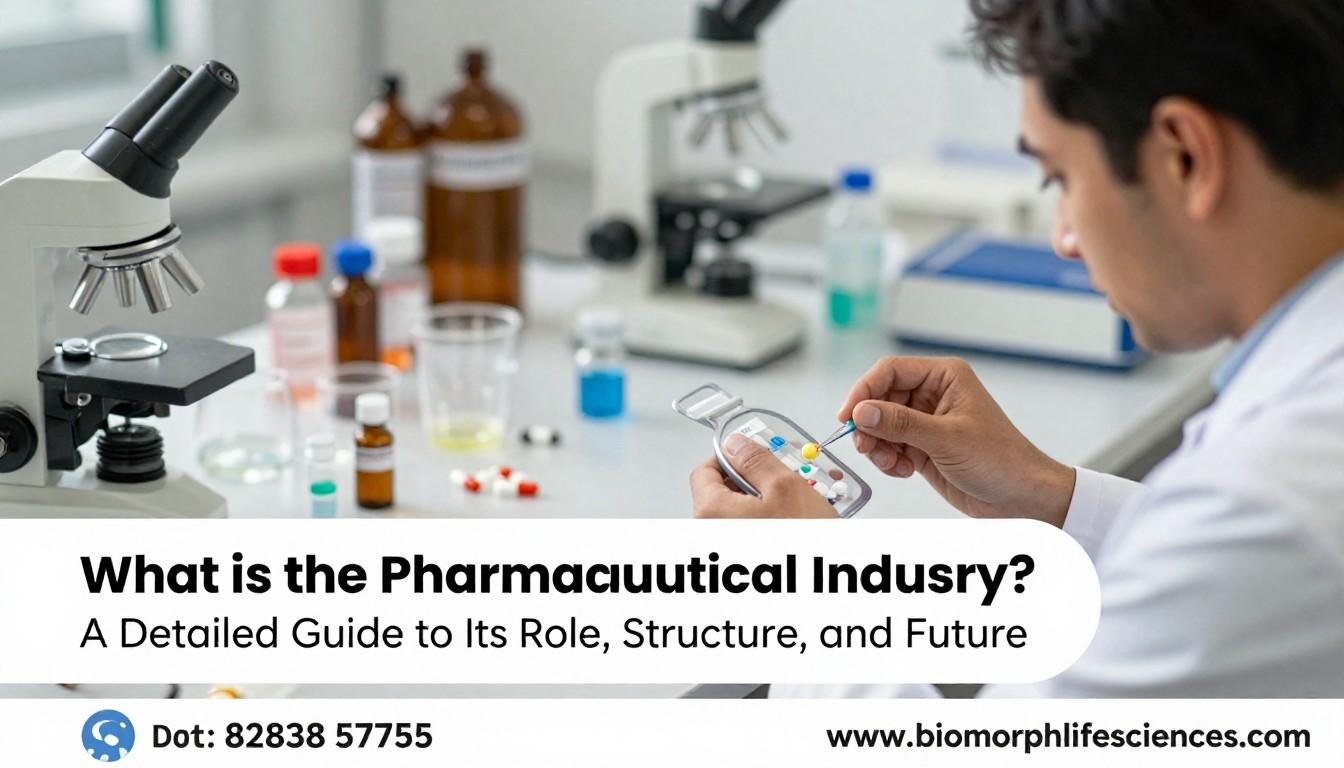
The pharmaceutical industry is one of the most essential and influential industries in the world. It plays a critical role in protecting human health by researching, developing, manufacturing, and supplying medicines that prevent, treat, and manage diseases. From common cold remedies to life-saving cancer drugs and vaccines, the pharmaceutical industry touches almost every aspect of modern healthcare.
In today’s fast-changing medical environment, the pharmaceutical sector continues to evolve with new technologies, strict regulations, and increasing global demand for safe and effective medicines. This blog explains in detail what the pharmaceutical industry is, how it works, its major segments, importance, challenges, and future scope.
What Is the Pharmaceutical Industry?
The pharmaceutical industry refers to the group of companies and organizations involved in the discovery, development, production, quality control, marketing, and distribution of drugs and medicines for medical use.
In simple terms, it is the industry that converts scientific research into medicines that doctors prescribe and patients rely on for treatment and prevention of diseases.
This industry includes:
- Research laboratories
- Drug manufacturing plants
- Biotechnology companies
- Generic drug manufacturers
- Marketing and distribution networks
- Regulatory and quality assurance bodies
Evolution and History of the Pharmaceutical Industry
The history of the pharmaceutical industry dates back thousands of years when medicines were prepared from herbs, roots, and minerals. Ancient systems like Ayurveda, Unani, Siddha, and Traditional Chinese Medicine laid the foundation for medicinal science.
The modern pharmaceutical industry began in the 19th century with advancements in chemistry and biology. The industrial production of medicines started with pain relievers, antiseptics, and vaccines. The introduction of antibiotics, particularly penicillin, revolutionized medicine and saved countless lives worldwide.
Over time, the industry expanded rapidly with the introduction of synthetic drugs, biotechnology products, and advanced therapies, making modern healthcare possible.
How the Pharmaceutical Industry Works
Developing a medicine is a long, complex, and highly regulated process. It can take 10–15 years for a drug to reach the market.
#1. Drug Discovery and Research
Scientists study diseases and identify biological targets. Thousands of chemical or biological compounds are tested to find one that can effectively treat the disease.
#2. Preclinical Testing
The selected compound is tested in laboratories and on animals to check its safety, toxicity, and effectiveness.
#3. Clinical Trials
Clinical trials are conducted on humans and are divided into phases:
- Phase I: Tests safety and dosage
- Phase II: Tests effectiveness and side effects
- Phase III: Confirms effectiveness on a large population
- Phase IV: Ongoing monitoring after approval
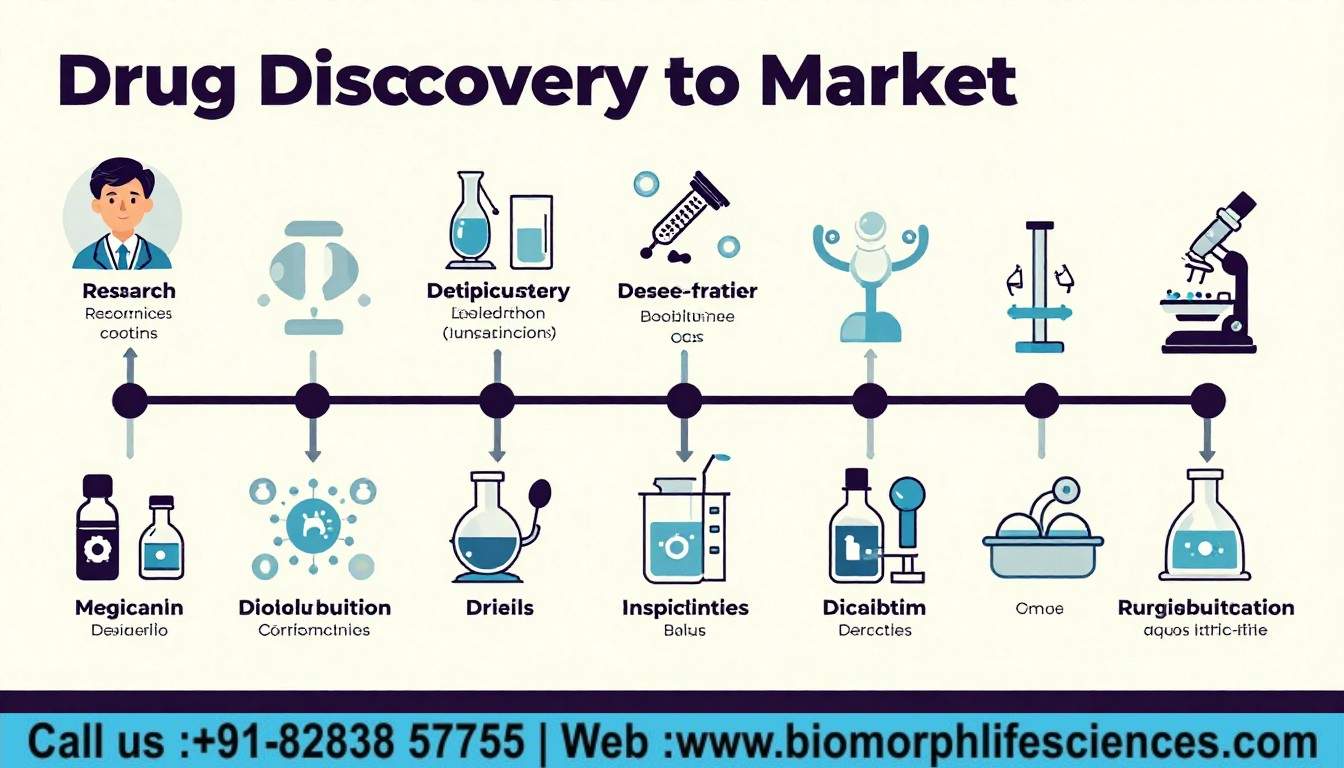
#4. Regulatory Approval
Health authorities such as DCGI (India), FDA (USA), and EMA (Europe) review trial data before approving the medicine for public use.
#5. Manufacturing
Once approved, medicines are produced in WHO-GMP certified facilities under strict quality and safety standards.
#6. Marketing and Distribution
Pharmaceutical companies promote medicines ethically to healthcare professionals and distribute them to pharmacies, hospitals, and clinics.
Major Segments of the Pharmaceutical Industry
The pharmaceutical industry consists of several important segments, each serving a specific purpose.
#1. Branded Pharmaceuticals
These are original medicines developed through extensive research and protected by patents.
#2. Generic Pharmaceuticals
Generic medicines contain the same active ingredients as branded drugs but are sold at lower prices. India stands at the forefront of the global generic medicines industry.
#3. Over-the-Counter (OTC) Medicines
OTC drugs can be purchased without a prescription, such as painkillers, antacids, and cold remedies.
#4. Biotechnology and Biopharmaceuticals
This segment includes vaccines, insulin, monoclonal antibodies, and gene-based therapies.
#5. Active Pharmaceutical Ingredients (APIs)
APIs are the core chemical or biological components that give medicines their therapeutic effect.
#6. Contract and Third-Party Manufacturing
Many companies outsource manufacturing to specialized WHO-GMP certified manufacturers.
Importance of the Pharmaceutical Industry
The pharmaceutical industry is vital for both public health and economic growth.
#1. Protects Human Life
Medicines help prevent infections, control epidemics, and treat life-threatening diseases.
#2. Improves Quality of Life
Chronic conditions such as diabetes, heart disease, asthma, and mental health disorders can be managed effectively through medicines.
#3. Supports Healthcare Infrastructure
Pharmaceutical companies work closely with doctors, hospitals, and governments to ensure access to essential medicines.
#4. Drives Economic Development
The industry generates employment, boosts exports, and contributes significantly to national economies.
#5. Encourages Innovation
Continuous research leads to new and improved treatments for complex and rare diseases.
 Pharmaceutical Industry in India
India is recognized globally as one of the biggest pharmaceutical markets, earning the title ‘Pharmacy of the World.’”
Key Features of Indian Pharma Industry:
- Major exporter of generic medicines
- Supplies affordable drugs to over 200 countries
- Strong presence in vaccines and APIs
- Rapid growth in PCD pharma franchise and third-party manufacturing
Indian pharmaceutical companies follow global standards such as WHO-GMP, ISO, FDA, and DCGI compliance, ensuring high-quality medicines.
Role of PCD Pharma Franchise in the Pharmaceutical Industry
The PCD (Propaganda Cum Distribution) Pharma Franchise model has become a popular business model in India.
Benefits of PCD Pharma Franchise:
- Low investment requirement
- Monopoly rights in selected areas
- Ready product portfolio
- Promotional and marketing support
- Opportunity for self-employment
This model helps pharma companies expand their reach while enabling entrepreneurs to build profitable businesses.
Regulations and Quality Standards
The pharmaceutical industry is one of the most regulated industries globally due to its direct impact on human health.
Common Regulatory Standards:
- WHO-GMP (Good Manufacturing Practices)
- ISO Certifications
- FDA Approval
- DCGI Regulations
- Pharmacovigilance systems
These standards ensure that medicines are safe, effective, and consistently manufactured.
Challenges Faced by the Pharmaceutical Industry
Despite its importance, the pharmaceutical industry faces multiple challenges.
#1. High Cost of Drug Development
Research and clinical trials require heavy investment and long timelines.
#2. Strict Regulatory Requirements
Compliance with changing regulations increases operational complexity.
#3. Price Control Policies
Government price controls can affect profitability.
#4. Counterfeit Medicines
Fake and substandard drugs pose serious health risks.
#5. Supply Chain Dependence
Dependence on imported raw materials can disrupt production.
Digital Transformation in the Pharmaceutical Industry
Technology is reshaping the pharmaceutical industry at every level.
Key Digital Trends:
- Artificial Intelligence in drug discovery
- Automation in manufacturing
- Digital marketing and CRM systems
- E-pharmacies and telemedicine
- Data analytics for sales forecasting
Digital innovation is improving efficiency, transparency, and patient engagement.
Future Scope of the Pharmaceutical Industry
The future of the pharmaceutical industry is promising and innovation-driven.
Emerging Opportunities:
- Personalized and precision medicine
- Biotechnology and gene therapy
- Biosimilars
- Preventive healthcare solutions
- Sustainable and eco-friendly manufacturing
With increasing healthcare awareness, aging populations, and technological advancements, the demand for pharmaceuticals will continue to grow.
Conclusion
The pharmaceutical industry is the backbone of modern healthcare, transforming scientific discoveries into life-saving medicines while improving the quality of life for millions of people worldwide. From advanced research laboratories to pharmacy shelves, every stage of the pharmaceutical value chain is driven by strict standards of safety, quality, and continuous innovation.
As global healthcare needs continue to grow, the pharmaceutical industry will remain a vital force in advancing public health, supporting economic development, and driving medical progress. Understanding this industry enables patients, healthcare professionals, and entrepreneurs to recognize its importance and make informed decisions.
For further information or professional assistance, feel free to contact us at +91 82838 57755.
Follow us on Instagram to click here
Follow us on facebook to click here
Fill form to click here